Let’s be real—going through bankruptcy sucks. It’s overwhelming, stressful, and can make you feel like you’ve hit rock bottom. But here’s the truth: bankruptcy is not the end—it’s a new beginning. Some of the most successful entrepreneurs and businesses have faced financial collapse, only to come back stronger than ever. If they did it, so can you. Sometimes, financial difficulties are due to bad luck and unforeseen circumstances, not just poor decisions.
The key to recovering from personal bankruptcy really isn’t just about paying off debt or fixing your credit score. It’s about strategic rebuilding—learning from past mistakes, making smarter financial decisions, and setting up a system that prevents you from ever being in this position again. Although bankruptcy can initially result in bad credit, it also offers a second chance to recover financially.
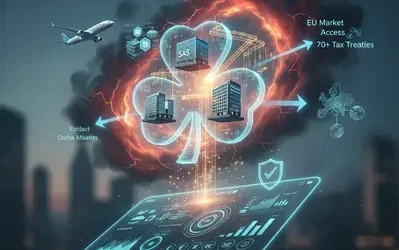
In this guide, we’ll break down practical, no-BS steps to help you rebuild your business, regain financial stability, and thrive post-bankruptcy. From smart budgeting to leveraging tax-friendly business environments (yes, like Ireland), you’ll get real, actionable strategies to turn this setback into a massive comeback.
Ready to take control of your financial future? Let’s dive in. 🚀
1- Understanding Bankruptcy and Its Implications
Let’s get one thing straight: bankruptcy is not the end of the road. If you’re reading this, chances are you or your business is facing financial trouble—or maybe you’re just preparing for the worst. Either way, knowledge is power, and understanding what bankruptcy really means is the first step toward making a comeback. Retaining documentation from your bankruptcy case is essential for future financial transactions like applying for a mortgage or loan. It is also crucial to monitor your credit reports from major credit bureaus—Equifax, Experian, and TransUnion—to ensure the accuracy of the information, as wage garnishments, if present, can significantly impact your ability to rebuild credit effectively.
What is Bankruptcy Filing?
Most people think bankruptcy means losing everything. Not true. It’s a legal process designed to give individuals and businesses a fresh financial start when debt becomes unmanageable. When bankruptcy is filed, the filing date is crucial as it initiates legal protections against creditors and impacts how long the bankruptcy will remain on an individual’s credit report. Depending on your country, different bankruptcy laws apply. In the U.S., for example:
- Chapter 7 bankruptcy means liquidation—assets are sold off to pay creditors.
- Chapter 11 bankruptcy is about restructuring—businesses get a chance to reorganize and become profitable again.
- In Chapter 7 and Chapter 13 bankruptcies, certain debts can be eliminated after the completion of the bankruptcy process. These are known as discharged debts and will be marked as ‘included in bankruptcy’ or ‘discharged’ on credit reports, typically showing a balance of $0.
- Other countries have their own versions, but the goal is the same: to create a path to financial recovery.
Common Causes and Consequences
Why do businesses go bankrupt? It’s not always reckless spending. Economic downturns, cash flow mismanagement, poor investments, and unexpected crises (hello, COVID-19) are some of the top reasons. It is also important to maintain positive bank accounts and monitor accounts for accuracy on credit reports to ensure financial health.
But here’s the good news: bankruptcy doesn’t have to ruin you. Yes, your credit score will take a hit. Yes, it can feel like a massive setback. But many successful entrepreneurs have bounced back stronger, learning from their mistakes and rebuilding smarter. It is also crucial to monitor credit reports for accuracy and potential fraud, as incorrect information can negatively impact credit scores.
Debunking Myths About Bankruptcy
Let’s bust some myths:
❌ “Bankruptcy means failure.” – Nope. Many of the world’s most successful businesses (think Apple, Ford, and Marvel) have gone through bankruptcy and come back stronger.
❌ “You’ll never recover.” – Wrong again. With smart financial planning and the right strategy, you can rebuild your business and remain on your credit much faster than you think.
❌ “Bankruptcy ruins your future.” – Only if you let it. The key is learning from the experience and making better financial moves moving forward. A discharge can eliminate certain debts, thus improving your financial situation and credit score after completing bankruptcy. The Fair Credit Reporting Act plays a crucial role in managing credit after bankruptcy by ensuring that bankruptcies can remain on a credit report for up to ten years, and during this period, it is essential to monitor your credit reports and navigate credit restoration to avoid aggressive collection efforts.
So, what’s next? Now that you understand what bankruptcy really is (and isn’t), let’s dive into how you can start your financial recovery and rebuild with confidence. 🚀
2- The Emotional and Financial Toll of Bankruptcy
Let’s be real—bankruptcy hits hard. It’s not just about the numbers; it’s about your reputation, your confidence, and your future. Whether you’re an entrepreneur watching your business collapse or a stakeholder caught in the fallout, the impact is both emotional and financial. But here’s the thing: it’s survivable—if you know how to navigate the aftermath. Business owners may be personally liable for business debts, impacting their personal credit and financial health.
The Emotional Challenges
No one starts a business expecting to go bankrupt. When it happens, stress, shame, and self-doubt can feel overwhelming. The stigma around bankruptcy makes many business owners isolate themselves, fearing judgment from peers, investors, and even family. But here’s the truth: some of the most successful entrepreneurs have been in your shoes. Steve Jobs, Walt Disney, Henry Ford— all faced financial ruin before making a comeback. The key? Turning failure into a lesson rather than a life sentence. It is crucial to decide carefully and seek financial advice when contemplating bankruptcy to ensure you are making informed choices.
Financial Repercussions
Let’s talk numbers. Bankruptcy affects your cash flow, credit rating, and ability to secure future loans. A lower credit score means higher interest rates, and late payments can remain on your credit report for seven years, impacting your credit score. This results in limited access to capital and tougher negotiations with suppliers. But it’s not permanent, especially if you focus on making timely payments to rebuild your credit. With the right financial strategy, you can rebuild faster than you think. Debt elimination is crucial for achieving financial stability post-bankruptcy, as it stops creditor actions and provides a fresh start.
Rebuilding Trust with Investors and Customers
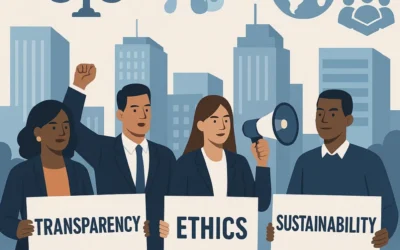
The biggest challenge post-bankruptcy isn’t just getting your finances in order—it’s rebuilding trust. Investors want reassurance that you’ve learned from the past. Customers need confidence that your business is stable. The solution? Transparency. Owning up to past mistakes, showcasing a solid recovery plan, and staying consistent will make people believe in you again.
Yes, bankruptcy is tough. But it’s not the end of your story. The next step? Taking control, rebuilding strategically, and proving that you’re stronger than ever. Let’s dive into how you can do just that. 🚀
3- Practical Steps for Financial Recovery: Rebuilding After Bankruptcy
Bankruptcy isn’t the end of your financial journey—it’s the start of a comeback. If you play it right, this could be the reset you needed to build a stronger, more resilient business. The key? Taking smart, strategic steps to regain control of your finances and prove to lenders, investors, and yourself that you’re back in the game. It’s crucial to take steps to rebuild your credit after bankruptcy, focusing on responsible credit usage and gradually transitioning from secured to regular credit cards.
Reassessing Your Financial Situation
Before you can move forward, you need to face the numbers head-on. What debts are left? What assets do you still have? What does your cash flow really look like? This isn’t the time for wishful thinking—you need a clear, realistic snapshot of your financial situation. Consulting with professionals can help you determine the best course of action tailored to your individual financial situation. A detailed audit will help you prioritize payments, pay bills**, renegotiate debts, and identify opportunities** to stabilize your business.
Rebuilding Your Credit Score
Let’s talk about the credit score problem. Bankruptcy can tank your your credit report and rating, making it harder to secure funding. But here’s the good news: you can rebuild it faster than you think. Start by:
✅ Paying off small debts first to show positive activity in credit history. ✅ Using a secured card to establish responsible spending. ✅ Keeping credit utilization low (under 30%) to improve your rating. ✅ Ensuring all payments (loans, suppliers, utilities) are made on time. ✅ Maintaining on time payments to rebuild trust with lenders and improve creditworthiness.
These steps show banks and investors that you’re serious about financial responsibility—which means better loan terms and lower interest rates in the future.
Creating a Realistic Budget and Cash Flow Plan
Surviving post-bankruptcy is all about cash flow. If money is leaking out of your business faster than it’s coming in, you’re setting yourself up for another financial disaster. Create a tight, disciplined budget that prioritizes essential expenses and trims the fat.
📌 Track every dollar—know where your money is going. 📌 Set realistic income goals and adjust expenses accordingly. 📌 Use financial software (like Finotor) to monitor your cash flow in real time. 📌 Maintain a savings account to serve as an emergency fund, reinforcing good financial habits and providing security against unexpected expenses.
A well-managed cash flow is the difference between struggling and thriving.
Seeking Professional Advice
If you’re trying to navigate through bankruptcy court and recovery alone, you’re making things harder than they need to be. The smartest entrepreneurs bring in the right experts to speed up the process and avoid costly mistakes. Demonstrating responsible use of a credit card signifies to lenders that an individual is determined to improve their credit history.
👨💼 Accountants help restructure finances and ensure tax compliance. 📊 Financial advisors create a recovery and repayment plan tailored to your situation, especially for Chapter 13 bankruptcy. This plan helps reconcile debts over 3 to 5 years, potentially discharging certain debts and positively impacting your credit score. ⚖️ Legal experts negotiate settlements and ensure compliance with bankruptcy laws.
Bankruptcy isn’t a life sentence—it’s an opportunity to rebuild smarter, stronger, and more financially savvy than before. The next move is yours. Ready to take control? 🚀
4- Revamping Your Business Model Post-Bankruptcy
Bankruptcy isn’t just about clearing old debts—it’s about rebuilding smarter. Demonstrating the ability to repay debts is crucial for securing loans and rebuilding financial stability. If you return to business without fixing the core issues and addressing your nonexempt assets, you risk falling into the same financial traps. This is your chance to rethink, restructure, and relaunch with a stronger, leaner, and more profitable business model.
Identifying What Went Wrong
Before making a comeback, you need to face the hard truth: why did the business fail? Was it poor cash flow management? Uncontrolled expenses? A flawed business model? Dig deep into the numbers and identify the root causes. Managing and paying off old debt is crucial to rebuild credit and foster trustworthiness.
📌 Review financial statements and pinpoint where losses occurred. 📌 Analyze customer behavior—were you targeting the right market? 📌 Evaluate your pricing model—was it sustainable or eroding profits? 📌 Assess operational inefficiencies—were you bleeding money in the wrong places?
Success in business isn’t just about working hard; it’s about working smart. If you don’t fix these mistakes, bankruptcy might happen again.
Repositioning Your Business
Once you’ve diagnosed past mistakes, it’s time for a new strategy. Many successful entrepreneurs bounce back stronger by shifting their business model. Many lenders are willing to work with individuals recovering from bankruptcy, highlighting the importance of financial discipline and consistent income for loan approval.
✅ Diversify revenue streams—don’t rely on one product or service. ✅ Cut unnecessary costs—focus on profitability, not just revenue. ✅ Target new markets—consider international expansion or niche industries. ✅ Improve customer retention—loyal clients mean stable cash flow.
For example, if you were running a high-overhead retail store, pivoting to e-commerce or digital services could lower costs and increase scalability. The key is adapting to a more sustainable model.
Leveraging Technology for Efficiency
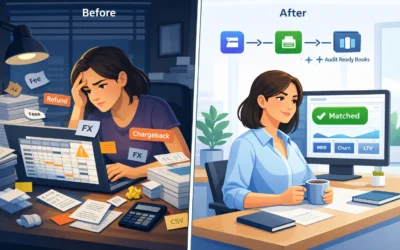
Old-school business practices won’t cut it anymore. If you want to stay ahead, you need automation, real-time insights, and data-driven decision-making. This is where financial technology tools like Finotor can transform how you operate.
💡 Automate bookkeeping—reduce manual errors and save time. 💡 Monitor cash flow in real-time—know where your money is going. 💡 Track expenses automatically—eliminate unnecessary spending. 💡 Get AI-powered financial insights—make smarter business decisions. Understanding the time-consuming nature of certain bankruptcy processes is crucial for making informed decisions.
A well-structured, tech-driven business is more resilient and less likely to fail. This is your chance to build a business that thrives—not just survives. 🚀
5- Real-Life Examples of Business Recovery
Bankruptcy isn’t the end of the road—it’s a turning point. Legal assistance is crucial in addressing urgent financial issues like home foreclosure, providing immediate protection against creditors and helping individuals achieve a fresh financial start. Many entrepreneurs have rebuilt stronger businesses after hitting rock bottom, often by establishing a solid payment plan. Here are two real-world examples of companies that bounced back smarter, leaner, and more profitable.
Case Study 1: A Small Retailer’s Comeback
Meet Sarah, a local boutique owner who struggled with high overhead costs and declining sales. When the pandemic hit, she had to file for bankruptcy, closing her physical store. Within a few months, she was able to eliminate most debts and start rebuilding her credit. But instead of giving up, she reinvented her business model.
✅ Pivoted to e-commerce—built an online store, cutting rent expenses. ✅ Used dropshipping—eliminated inventory costs. ✅ Automated financial tracking—used Finotor to monitor cash flow in real time. ✅ Leveraged social media marketing—reduced paid ad expenses. ✅ Monitored credit reports and added an authorized user to accoun —ensured discharged debt was accurately reflected to maintain a healthy credit score.
Within a year, Sarah doubled her revenue while keeping operating costs 50% lower than before her bankruptcy filing. The lesson? Flexibility and smart financial management are key to survival.
Case Study 2: A Tech Startup’s Rebirth
Mark’s tech startup crashed when funding dried up. Investors pulled out, leaving him with massive debts and no working capital. Instead of walking away, he regrouped and strategized:
🚀 Refined his business model—focused on a niche, high-demand solution. 🚀 Used AI-driven financial tools—optimized budgeting and spending with Finotor. 🚀 Rebuilt investor trust—presented clear financial insights to attract new backers. 🚀 Secured a government grant—leveraged available funding opportunities. The inability to file Chapter 7 again for eight years reinforces the improvement in creditworthiness.
Today, seven years on, Mark’s company is back on track, with sustainable revenue growth and investor confidence restored.
Key Lessons Learned
🔹 Bankruptcy is not failure—it’s a reset button. 🔹 Cut unnecessary costs—focus on profitability, not vanity metrics. 🔹 Use technology to your advantage—AI-powered financial tools like Finotor can provide real-time insights to avoid future pitfalls, including tracking obligations like child support. 🔹 Adapt quickly—what worked before might not work now. Be flexible.
If they can do it, so can you. The key isn’t avoiding failure—it’s learning how to recover smarter and faster. 🚀 Understanding notifications from mortgage lenders regarding legal action in foreclosure proceedings is crucial, as these can cause anxiety and confusion for homeowners.
Conclusion: Your Setback is Just the Beginning
Bankruptcy isn’t the end of the road—it’s a detour. Yes, it’s challenging, but many successful entrepreneurs have rebuilt stronger businesses after their financial challenges and setbacks. Filing for bankruptcy can be a significant step towards a fresh start despite its lengthy implications on credit reports. The key? A clear strategy, financial discipline, and the right tools.
Here’s what we covered:
🔹 Understanding bankruptcy—it’s a reset, not a failure. 🔹 Rebuilding financially and emotionally—get your credi savings accountt, cash flow, and confidence back on track. 🔹 Strategic restructuring—learn from past mistakes, pivot your business, and leverage modern financial tools like Finotor to stay on top of your numbers.
Your business isn’t over—it’s evolving. Take control, make smarter financial decisions, and turn your setback into a comeback. Surround yourself with the right experts, leverage technology, and build a future-proof business model.
🚀 Ready to start fresh? Embrace this moment as **your biggest opportunity yet.**Let’s make your next venture the most successful one yet! 💪