In this post, we’ll share with you the strategies to adopt after the bankruptcy of a company, an entrepreneurial failure, in short, a failure. Going into liquidation is not the end of the story. In fact, organisations such as 60 000 Rebonds play a crucial role in providing professional guidance to help struggling entrepreneurs get back on their feet and start afresh. So, various points to consider when starting again with a new business with more chances, include:
- Changing your perception of failure: it’s not an end, but a learning opportunity
- Analyse the causes of the failure objectively, so that you don’t make the same mistakes again
- Go home and get on with your life outside the affected business
- Reinvent your business with a new organisational strategy
- Get back together on the basis of a new, smaller project
A business failure is something that all business owners focus on. According to the French National Institute for Statistics and Economic Studies (INSEE), around 50% of companies close down five years after their launch. This does not mean that killing a business is a never-ending question. On the contrary, first impressions are an opportunity to think about career opportunities. In this new issue, we explain how to come out of it alive, as well as giving you tips on how to relaunch your career. The first approach is to change the way you perceive failure.
Each failure brings you a little closer to success. In the entrepreneurial journey, it is often inevitable to experience one or more failures. A programme and an association like 60 000 Rebonds help ex-entrepreneurs who have had to close up shop to see failure differently and find other opportunities.
Examples include successful entrepreneurs such as Elon Musk, who experienced a number of resounding failures before going on to shake up the entire space industry with SpaceX.
In 2008, after three consecutive failures, the company had a one in five chance of not making it through the year. Nevertheless, Elon Musk believed in it and finally succeeded in making SpaceX the first private company to send a capsule into orbit. So look on failure as an enriching experience that will allow you to focus on the learning and not just the negative.
Set up a new company and start afresh. Business owners and entrepreneurs take over a business simply because it has been working well but a customer has dropped out with a major payment default, a need to finance working capital requirements, or a legal constraint. However, the burden of charges, taxes and social security contributions in some countries, such as France or Belgium are a real obstacle that the French or Belgian authorities, or the chartered accountants and associated chartered accountants, are unable to bear.
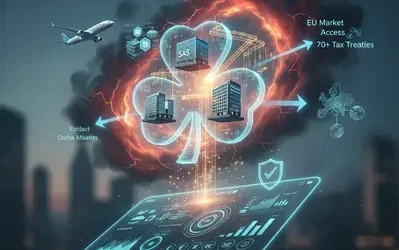
The solution is to set up a company in Ireland or a LLC in United States. This way, you set up a limited liability company, with no capital to pay up, no need to travel.
Once you have accepted failure as part of the entrepreneurial process, it is time to carry out a thorough and objective analysis of the reasons for that failure. This is the key to learning from mistakes and avoiding them happening again. Here are some of the main questions to ask yourself when analysing this failure: . In addition, it should be noted that the Banque de France takes over the bank code claims of failed entrepreneurs, giving them another chance to bounce back after a setback. Despite the question, it’s essential to keep an objective eye. You can seek the opinion of a customer, competitors, mentor or even a buyer for valuable advice.
At Finotor, we organise post-mortem sessions to help our coaches and bloggers analyse their failure in a constructive way, which will be an informative source for a future initiative. Liquidation: this is the solution of last resort for a failed business, again, but some gentlemen get a lot out of it. The ease of judicial liquidation:.
Consult a specialist lawyer; contact a lawyer specialising in business law immediately. These professionals will give you excellent legal advice to identify the best legal solution and take care of all the necessary procedures. This solution is always necessary before any other action is taken. If this registration does not produce satisfactory results, you must declare bankruptcy.
Next, you will need to submit the necessary documents. These include contracts, inventories of assets and property and financial reports. The more detailed and complete the documents you are able to prepare, the more transparent the decision-making process will be. Finally, attend meetings: the more you buy from your creditors and build relationships with stakeholders, the more you will build relationships with them. You need to maximise value and minimise potential losses.
You also need to take specific steps to protect assets; what business assets can be sold to pay creditors. This proactive approach helps to mitigate the impact of the receivership on the business. These instructions will help to manage the procedure with a minimum of detail and mitigate the worst possible consequences for the business. In addition, take a step back and take the time to learn from the experience. Don’t sign anything until you’ve had time to think about it and understand what you might actually do.
Redefine your career goals
We often advise our clients to treat this stage as an opportunity for personal growth. While some entrepreneurs train to acquire new skills, others seek mentoring or coaching to gain perspective. Pay attention to your mental and physical health too; the grief of failure is often reflected in our physical well-being. If you’re having problems, seek professional help or do something that calms you down.
Update your entrepreneurial approach
By now, you must have learned some lessons from your previous experience. So this stage of your entrepreneurial life is crucial because it helps you avoid making the same mistake. Here are some areas to reconsider in the process:
- Lean: test your hypotheses as quickly as possible at the lowest possible cost
- Funding: Don’t rely on one source of funding
- Resilience: develop your ability to bounce back
- Team drafting: Try an acquisition model aligned with your vision
The Rebound Portal is an invaluable source for struggling entrepreneurs. It gives you access to independent services and associations, including the 60 000 rebonds association. They help you overcome setbacks and start new projects. Because our experts have always often worked with e-commerce start-ups. We know that the entrepreneurs who succeed after a failure are those who have adapted their business model to the lessons learned.
Don’t be afraid or ashamed to question your old ways of working. Agility and adaptability are essential qualities for success in today’s constantly changing entrepreneurial environment. Managing relations with banks. Relations with banks can become particularly tense in times of bankruptcy.
Cation, proactive and transparent bank management can make a big difference. Here’s what you need to do to manage your relations with banks when your business goes bust:
- Communicate in a regular way: in a clear and regular way for each bank. This will help you to build trust and avoid misunderstanding
- Negotiate payment terms: reschedule and set payment terms with your bank. You won’t have to pay any penalties or extra interest,
- Provided you respect the terms of the renegotiation itself
- Provide financial information to the bank to demonstrate your credibility
- Make sure you provide up-to-date financial information to show the bank that you are managing the business with respect.
This will increase your credibility; look for alternative ways of financing: look for other possible ways of financing, such as alternative loans; protect the company’s assets: take steps to protect the company’s assets and liabilities; in fact, this means putting in place guarantees or restructuring some of your definitional purchases. In this way, you can secure the banks’ choice of financing
Gradually relaunch for a second wind In order to regain your self-confidence, it is essential to gradually relaunch your activities. Small projects are the best way to test yourself and regain confidence in your entrepreneurial abilities. However, as an entrepreneur, you need to understand the importance of rebounds in rebuilding a professional project. and managers are a key driver in this process. Here are a few suggestions for a gradual relaunch:.
Consult in your area of expertise or offer consultancy services Help launch a different project on a part-time basis Collaborate with other entrepreneurs on joint projects Identify one or more new niches or markets related to your original business Test new ideas without investing blindly, it also allows you to rebuild your reputsy legacy and regain the confidence of potential investors. Remember that entrepreneurship is not a smooth ride.
Whether your journey is strewn with successes or failures, each of them defines you as an entrepreneur. As an entrepreneur, your entrepreneurial identity will define your future and current projects. By adopting a resilient attitude to failure, you will also be putting all the chances on your side to succeed in your future projects. And self-confidence is also an important lever for success. If you’re not ready or if your confidence isn’t back, work on small projects and gradually regain your confidence.
For example, one of our clients, after his first e-commerce business went bankrupt, turned to a start-up that was successfully developing in green technology; the fallout was a valuable experience for his future.
In conclusion, bouncing back from an entrepreneurial failure is possible and is even an opportunity to build something bigger and stronger.
With the right attitude, a clear analysis of the situation and a well-thought-out strategy, you can turn a failure into a step towards success. Don’t forget that there are many resources and professionals who can help you in this process. At Société-France-Irlande, we are more than proud to help French-speaking entrepreneurs recover and succeed in the Irish market and through all the other difficulties that this entails.
FAQ: Everything you need to know about personal bankruptcy
Question: What is personal bankruptcy?
Answer: Personal bankruptcy is a legal procedure by which a person can discharge their debts when they are unable to repay them. This procedure is governed by the Bankruptcy and Insolvency Act in Canada.
Question: Who can declare personal bankruptcy?
Answer: Any Canadian resident with a minimum debt of $1,000 who is unable to repay his or her creditors may opt for this procedure.
Question: What debts are cancelled after bankruptcy?
Answer: Debts that are cancelled include credit cards, personal loans, medical debts and other unsecured obligations. However, certain debts, such as alimony and court fines, cannot be cancelled.
Question: What happens to my assets in the event of bankruptcy?
Answer: Certain non-seizable assets, depending on the province, such as your car – up to the pre-selected value – or your work tools may be exempt. Other assets will be sold to reimburse creditors.
Question: How long does a bankruptcy remain on my credit file?
Answer: A first bankruptcy remains on your credit file for 6 years after your discharge. After a second bankruptcy, this period is extended to 14 years.
Question: Do I have to stop paying my debts before declaring bankruptcy?
Answer: No. It is preferable to consult a licensed insolvency trustee to assess your financial situation before taking such a step.
Question: What does personal bankruptcy cost?
Answer: The costs are different for each case and depend on the complexity of the procedure. The costs are established by the authorized insolvency trustee and may include a portion of the bankrupt person’s income.
Question: Are there alternatives to personal bankruptcy?
Answer: Yes, there are alternative options such as consumer proposals, debt management plans and refinancing.
Question: Is everyone eligible to file personal bankruptcy?
Answer: Most people are eligible to file for bankruptcy. However, before taking such a step, it is important to consult a professional to assess eligibility and consider alternatives.
Question: How do I begin the process of filing personal bankruptcy?
Answer: The first step in establishing a file is to consult a licensed insolvency trustee. He or she will assess your situation and guide you through the process.
Question: Will it affect my spouse if I go bankrupt?
Answer: No. There are only joint debts. The personal debts of one of the spouses in the event of marriage remain their responsibility.
Question: Can I rebuild my credit after going bankrupt?
Answer: Yes, in accordance with the bank’s recommendations. 13. What are the benefits of declaring bankruptcy? Bankruptcy is a fresh start that eliminates most debts and stops creditors pursuing them, for example, mortgages.
Question: Can creditors still contact me after bankruptcy?
Answer: No. Once bankruptcy has been declared, not all creditors can contact you or demand payment.
Question: What is the difference between a bankruptcy and a consumer proposal?
Answer: Bankruptcy cancels most of your debts, but you may lose a portion of your assets. A consumer proposal, on the other hand, guarantees a period in which you can pay off some of your debts and avoid losing your property.
Question: Will bankruptcy stop all my financial obligations?
Answer: No, some such as alimony, criminal court fines, or recent student loans may or must be kept.
Question: What role do associations play in keeping my business active after bankruptcy?
Answer: Associations in bankruptcy scenarios are crucial because they offer the opportunity of an inventory to rebuild in the championship of the right to forget. Business associations accompany bankrupts after their positive neglect, demonstrating entrepreneurial security.